
-
Dolphin Web SolutionShopwareShopware vs WooCommerce: Which E-commerce Platform is Right for Your Business
 15 Min Read
Shopware vs WooCommerce: Which E-commerce Platform is Right for Your Business


Table of Contents
 Show
Show

Summary :
Choosing between Shopware and WooCommerce for your e-commerce store? This comprehensive comparison explores features, pricing, scalability, and real-world use cases to help you make the right decision for your business needs.
Introduction
The e-commerce landscape is booming, with global online sales projected to reach unprecedented heights in the coming years. Whether you’re launching a startup or scaling an established business, choosing the right e-commerce platform is absolutely business-critical. It’s the foundation that determines how easily you can manage products, engage customers, and grow your revenue streams.
In this crowded marketplace of platform options, two solutions stand out for entirely different reasons: Shopware represents the modern, API-first approach favored by medium to large enterprises, while WooCommerce embodies the simplicity and flexibility that WordPress users worldwide have come to love.
The fundamental difference? Shopware is a dedicated e-commerce platform built from the ground up with modern architecture and headless commerce capabilities. WooCommerce, on the other hand, is a powerful WordPress plugin that transforms any WordPress site into a fully functional online store. This core distinction influences everything from setup complexity to long-term scalability.
This comprehensive comparison will help you understand which platform aligns better with your business goals, technical requirements, and growth aspirations.
What is Shopware?
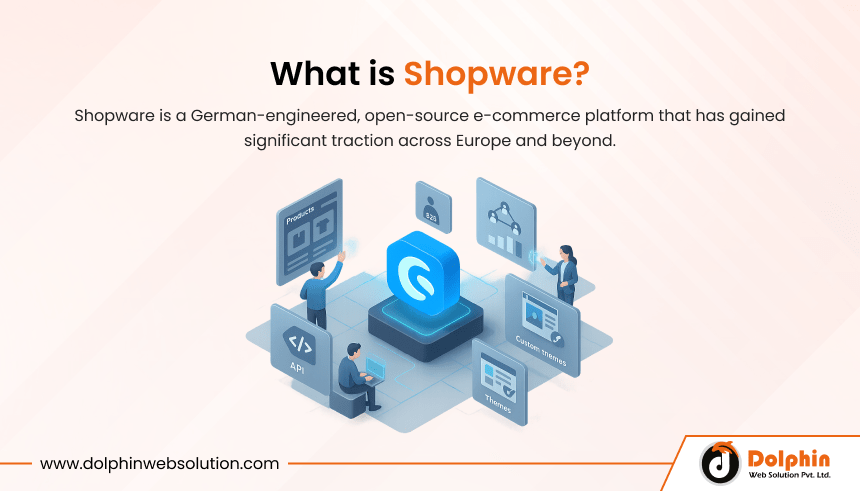
Shopware is a German-engineered, open-source e-commerce platform that has gained significant traction across Europe and beyond. Founded in 2000, this platform represents a modern approach to online commerce, built specifically to handle the complexities of today’s digital marketplace.
1. Headless & API-First Architecture
What sets Shopware apart is its API-first approach. This means the platform’s frontend and backend are decoupled, allowing businesses to deliver consistent shopping experiences across websites, mobile apps, IoT devices, and any future touchpoints. This headless commerce capability makes Shopware particularly attractive for businesses planning omnichannel strategies.
2. Best Suited for Mid to Large-Scale Enterprises
Shopware is designed primarily for businesses with serious growth ambitions. Companies like REWE Group (with $99.10 billion in revenue) and other major European enterprises rely on Shopware for their complex e-commerce operations. The platform excels at handling high-traffic scenarios, complex product catalogs, and sophisticated B2B requirements.
3. Modern UI/UX and German Engineering Precision
The platform features an intuitive administration interface with drag-and-drop functionality, making it accessible even for non-technical users. However, it maintains the robust architecture and security standards that German engineering is known for.
What is WooCommerce?
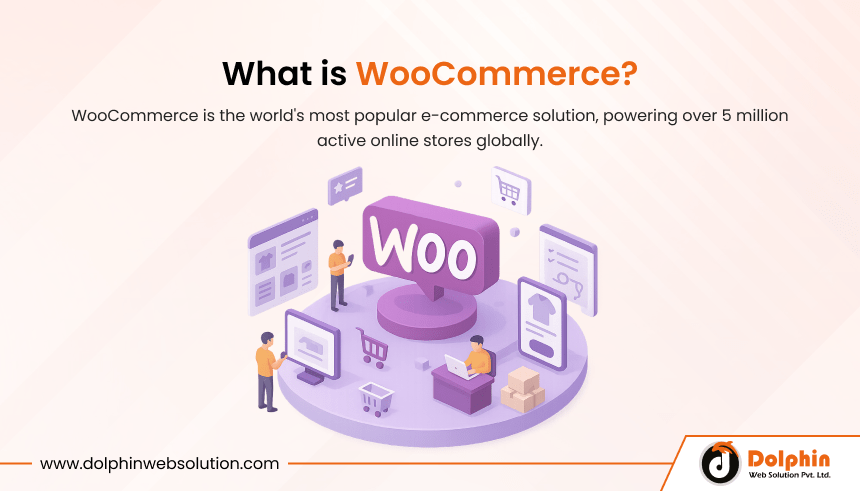
WooCommerce is the world’s most popular e-commerce solution, powering over 5 million active online stores globally. As a free WordPress plugin, it seamlessly transforms any WordPress website into a fully functional e-commerce platform.
1. Built on WordPress Foundation
Since WordPress powers approximately 43% of all websites on the internet, WooCommerce benefits from this massive ecosystem. If your business already operates a WordPress website, WooCommerce provides a natural and cost-effective path to e-commerce functionality.
2. Ideal for Small Businesses and Startups
WooCommerce’s greatest strength lies in its accessibility. Small businesses and startups appreciate its free core plugin, extensive customization options through thousands of themes and plugins, and the familiar WordPress interface that millions of users already understand.
3. Huge Plugin Ecosystem and Learning Curve
With over 400 official extensions and thousands of third-party plugins, WooCommerce offers unparalleled flexibility. However, this abundance of choices can be overwhelming for beginners, and the platform’s performance heavily depends on plugin selection and hosting quality.
Shopware vs WooCommerce: Feature-by-Feature Comparison
1. Ease of Use
Shopware presents a more streamlined, purpose-built interface designed specifically for e-commerce operations. The platform offers an intuitive backend with modern UI elements, but requires some initial learning for users unfamiliar with dedicated e-commerce systems16. Setup involves understanding Shopware’s specific workflows and terminology.
WooCommerce benefits from the familiarity of WordPress. If you’re already comfortable with WordPress, WooCommerce feels natural and requires minimal additional learning. The setup wizard guides beginners through the initial configuration, making it extremely accessible for first-time e-commerce entrepreneurs.
Verdict: WooCommerce wins for immediate ease of use, especially for WordPress users. Shopware offers superior long-term usability once the initial learning curve is overcome.
2. Customization and Flexibility
Shopware provides enterprise-level customization through its modular architecture. The platform supports deep customization from the ground up, with developers able to modify core functionality without limitations. Its plugin system, while smaller than WooCommerce’s, offers e-commerce-specific solutions that integrate seamlessly.
WooCommerce excels in customization variety with thousands of themes and plugins available. The WordPress ecosystem provides unlimited design possibilities, and developers can leverage familiar WordPress hooks and filters. However, extensive customization can lead to performance issues and plugin conflicts.
Verdict: Shopware offers more robust, enterprise-grade customization. WooCommerce provides broader, more accessible customization options for smaller projects.
3. Design and Themes
Shopware includes modern, responsive themes out of the box, with a focus on professional aesthetics and mobile optimization. The Shopping Experiences feature provides a drag-and-drop page builder for creating compelling product presentations and landing pages19. Theme options are more limited but generally higher quality.
WooCommerce offers thousands of free and premium themes, ranging from $20-$100 annually. The platform integrates with popular page builders like Elementor, providing extensive design flexibility. However, theme quality varies significantly, and not all themes are optimized for e-commerce performance.
Verdict: WooCommerce offers more theme variety and budget options. Shopware provides higher-quality, e-commerce-optimized designs with better built-in tools.
4. Performance and Scalability
Shopware is architecturally optimized for high performance and scalability. The platform uses modern PHP frameworks, supports clustering, and includes built-in caching mechanisms. Real-world examples like major European retailers demonstrate its ability to handle massive traffic volumes and complex operations.
WooCommerce performance depends heavily on hosting quality, theme selection, and plugin optimization. While the platform can scale effectively with proper setup—sites like Mint Mobile handle 20-30 million monthly visitors achieving high performance requires technical expertise and careful resource management.
Verdict: Shopware offers superior out-of-the-box performance and scalability. WooCommerce can achieve similar results but requires more technical optimization.
5. SEO and Marketing Features
Shopware includes comprehensive SEO tools built into the core platform. Features include meta tag management, URL optimization, schema markup, and advanced product search capabilities. The platform also offers integrated marketing automation tools and customer segmentation features.
WooCommerce relies heavily on third-party plugins for SEO functionality, with Yoast SEO being the most popular choice. While this plugin ecosystem provides extensive SEO capabilities, it requires additional configuration and potentially increases costs. Marketing features similarly depend on external plugins.
Verdict: Shopware provides more comprehensive built-in SEO and marketing tools. WooCommerce offers greater flexibility through plugins but requires more setup.
6. Ecosystem and Integrations
Shopware excels in enterprise integrations, particularly with ERP, CRM, and PIM systems. The platform’s API-first architecture makes it ideal for complex business integrations and B2B scenarios. However, the overall ecosystem is smaller than WooCommerce’s.
WooCommerce boasts the largest e-commerce ecosystem globally. With hundreds of payment gateways, shipping providers, and business tool integrations available, WooCommerce can connect with virtually any service. The WordPress ecosystem adds another layer of integration possibilities.
Verdict: WooCommerce offers broader ecosystem options. Shopware provides deeper, more sophisticated enterprise integrations.
7. Security
Shopware implements enterprise-grade security measures including data encryption, secure payment gateways, regular security updates, and comprehensive user role management. The platform’s European origins mean it’s built with GDPR compliance and strict data protection standards in mind.
WooCommerce security depends largely on proper WordPress maintenance, quality hosting, and plugin selection. While WordPress itself receives regular security updates, the platform’s security is only as strong as its weakest plugin or theme. Store owners must actively manage security through SSL certificates, security plugins, and regular updates.
Verdict: Shopware offers more robust built-in security. WooCommerce requires more hands-on security management but can be equally secure with proper maintenance.
Pricing Comparison
| Platform | Open Source | Paid Plans | Plugin Costs | Hosting Requirements |
|---|---|---|---|---|
| Shopware | Community Edition (Free) | Rise: €600/month Evolve: €2,400/month Beyond: €6,500/month | Moderate ($300-500/year) | Medium-High ($100-500/year) |
| WooCommerce | Core Plugin (Free) | No core plans | High for premium features ($300-400/year) | Low-Medium ($100-300/year) |
Additional Considerations:
- Shopware’s paid plans include hosting, support, and premium features
- WooCommerce requires separate hosting, domain, and security investments
- Development costs: Shopware developers command higher rates but may deliver faster
- Total cost of ownership: Shopware can be more cost-effective for larger operations
Real-World Use Cases
1. When to Choose Shopware
International B2B Expansion: Companies like STABILO use Shopware to combine content and commerce across multiple markets, leveraging built-in multi-language and multi-currency support.
High-Traffic Enterprise Operations: Businesses expecting significant growth benefit from Shopware’s performance optimization and enterprise features. The platform handles complex product catalogs and high transaction volumes efficiently.
Omnichannel Commerce: Retailers requiring consistent experiences across web, mobile, and physical stores leverage Shopware’s headless architecture for unified customer journeys.
Custom B2B Features: Manufacturing companies and wholesalers use Shopware’s advanced pricing rules, customer group management, and dealer integration capabilities.
2. When WooCommerce Fits Better
Content-Driven E-commerce: Businesses that blog regularly or need extensive content marketing benefit from WordPress’s content management capabilities combined with WooCommerce’s e-commerce features.
Budget-Conscious Startups: Small businesses like Blue Star Coffee Roasters demonstrate how WooCommerce’s free core and low hosting costs enable rapid market entry.
Quick Market Testing: Entrepreneurs who need to validate product-market fit quickly appreciate WooCommerce’s rapid setup and low initial investment.
WordPress Ecosystem Users: Businesses already invested in WordPress themes, plugins, or developer relationships find WooCommerce integration seamless.
Pros and Cons Analysis
1. Shopware Advantages
Modern Architecture Ready: Built for headless commerce, API integrations, and future e-commerce trends. The platform’s technical foundation supports emerging technologies like AR/VR and IoT commerce.
Highly Scalable Infrastructure: Proven ability to handle enterprise-level traffic and complexity. Performance optimization is built-in rather than requiring extensive configuration.
Professional UI/UX: Intuitive administration interface designed specifically for e-commerce operations. Less clutter and confusion compared to plugin-heavy alternatives.
Enterprise B2B Features: Advanced pricing rules, customer segmentation, and dealer management capabilities that many competitors charge extra for.
2. Shopware Disadvantages
Steeper Learning Curve: Requires investment in training and adaptation, especially for teams familiar with other platforms.
Higher Total Investment: While offering good value, the overall investment is higher than WooCommerce for smaller operations.
Smaller Community: Fewer third-party resources, tutorials, and community solutions compared to WooCommerce’s massive ecosystem.
3. WooCommerce Advantages
Zero Entry Barrier: Free core plugin with no licensing fees makes it accessible to any budget.
Massive Community Support: Largest e-commerce community worldwide provides abundant resources, tutorials, and support.
Familiar WordPress Environment: Leverages existing WordPress knowledge and workflows.
Unlimited Customization Options: Thousands of themes and plugins provide solutions for virtually any requirement.
4. WooCommerce Disadvantages
Plugin Dependency: Core functionality often requires multiple plugins, creating potential conflicts and performance issues.
Performance Challenges: Can become slow with large catalogs or poor plugin choices, requiring technical optimization.
Security Management Burden: Store owners must actively manage security through updates, plugins, and hosting configurations.
Hidden Costs: While the core is free, professional themes, plugins, and proper hosting can add up quickly
Final Verdict
The choice between Shopware and WooCommerce ultimately depends on your business context, technical requirements, and growth trajectory:
Choose Shopware If:
- You’re planning significant growth and need a platform that scales effortlessly
- Modern architecture and headless commerce capabilities are important for your strategy
- You have budget for premium features and professional development
- B2B functionality, advanced pricing, or multi-store management are requirements
- You prefer built-in features over plugin-dependent solutions
Choose WooCommerce If:
- You need to launch quickly with minimal upfront investment
- Your team is already comfortable with WordPress
- Extensive customization through themes and plugins appeals to you
- You’re running a content-driven business that benefits from WordPress’s blogging capabilities
- Budget constraints make the free entry point attractive
Decision Framework:
For Businesses Under $1M Annual Revenue: WooCommerce typically offers better value and lower risk. The free entry point allows you to validate your market and grow organically.
For Businesses $1M-$10M Annual Revenue: Consider your technical team’s capabilities and growth plans. WooCommerce can handle this scale with proper optimization, but Shopware offers more predictable performance.
For Businesses Over $10M Annual Revenue: Shopware’s enterprise features, performance guarantees, and dedicated support typically provide better total cost of ownership and reduced technical risk.
Conclusion
Both Shopware and WooCommerce represent excellent e-commerce solutions, but they serve different market segments and business philosophies. Shopware Development Service embodies the modern, enterprise-focused approach with built-in scalability and professional features. On the other hand, WooCommerce Development Services champion accessibility and flexibility, leveraging the world’s largest CMS ecosystem to democratize e-commerce.
Your choice should align with your business goals, technical capabilities, and growth timeline. Consider starting with the platform that matches your current needs while ensuring it can support your 3–5 year vision.
Ready to make your decision? Our e-commerce experts can provide personalized guidance based on your specific requirements. Contact us for a free consultation to discuss your platform selection and implementation strategy.
Whether you choose Shopware’s modern architecture or WooCommerce’s proven flexibility, success ultimately depends on execution, user experience, and consistent optimization of your store.

Rohit Prajapati


Rohit Prajapati is the Chief Executive Officer of Dolphin Web Solution and a recognized expert in eCommerce technologies, digital commerce strategy, and product development. With over 15 years of experience in the technology industry, he helps businesses build high-performing online stores, scalable digital platforms, and innovative customer experiences. As a certified Adobe Commerce Business Practitioner (Magento Solution Specialist), Rohit possesses deep expertise in Shopify, Magento, Shopware, Hyvä, and enterprise eCommerce ecosystems. He has successfully consulted businesses worldwide on platform selection, digital transformation, migration strategies, and growth-focused commerce solutions. Rohit regularly shares insights on eCommerce trends, AI-driven commerce, online business growth, and emerging technologies. His mission is to help organizations create future-ready digital experiences that drive measurable business outcomes and long-term success.

We can help you with
- Dedicated Team
- Setup Extended Team
- Product Development
- Custom App Development
Our Offices

AHMEDABAD (INDIA)
B- 203-206, Empire Business Hub, Science City Road, Sola, Ahmedabad – 380060

BERLIN (GERMANY)
Badensche Str. 28, 10715 Berlin, Germany

CALIFORNIA (USA)
9601 Reseda Blvd, Apt#223, Northridge CA-91324, USA

ALBERTA (CANADA)
302 Skyview Ranch Drive NE, Calgary, Alberta, Canada T3N0P5





Hello!
Click one of our contacts below to chat on WhatsApp