
-
Dolphin Web SolutionEcommerce10 Game-Changing eCommerce Website Trends You Can’t Ignore
 15 Min Read
10 Game-Changing eCommerce Website Trends You Can’t Ignore


Table of Contents
 Show
Show

Summary :
eCommerce is evolving rapidly, and staying updated with the latest trends is crucial for online success. In 2026, personalization, mobile-first design, social commerce, and new technologies like AI and AR are shaping the way people shop online. Discover the top 10 eCommerce website trends you need to know to keep your store ahead of the competition.
The world of eCommerce is moving faster than ever. New technologies, changing customer habits, and global events are shaping how businesses sell and how people shop online. As we step into 2026, it’s clear that staying ahead of the curve is crucial for any online business that wants to succeed.
Whether you’re a seasoned store owner or just starting out, partnering with the right eCommerce development service can make all the difference. From building high-performing websites to integrating cutting-edge features, professional eCommerce development plays a key role in adapting to emerging trends and delivering a seamless shopping experience.
In this blog, we’ll break down the top 10 eCommerce website trends for 2026 in simple, easy-to-understand language. Each trend is explained with real-world examples and practical tips, so you can see how to apply them to your own store.
Top 10 eCommerce Website Trends in 2026
1. AI-Driven Personalization
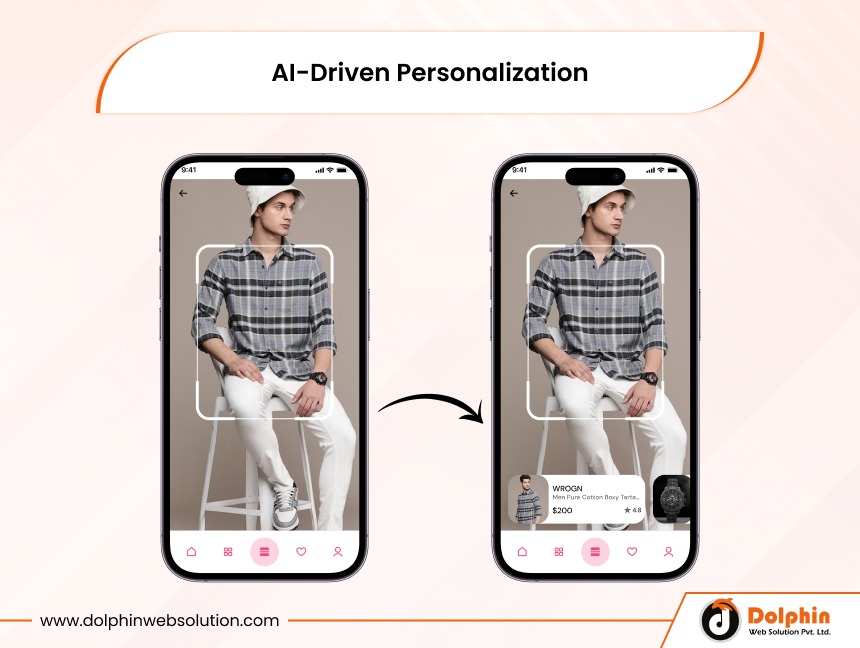
Artificial Intelligence (AI) is transforming eCommerce by making shopping experiences more personal than ever. In 2025, AI tools will analyze customer behavior, preferences, and purchase history to recommend products, send tailored emails, and even adjust website content in real time. This means shoppers will see products and offers that are truly relevant to them, increasing satisfaction and boosting sales.
Tip: Use AI-powered plugins or platforms to personalize recommendations and automate marketing messages.
2. Social Commerce Takes Center Stage
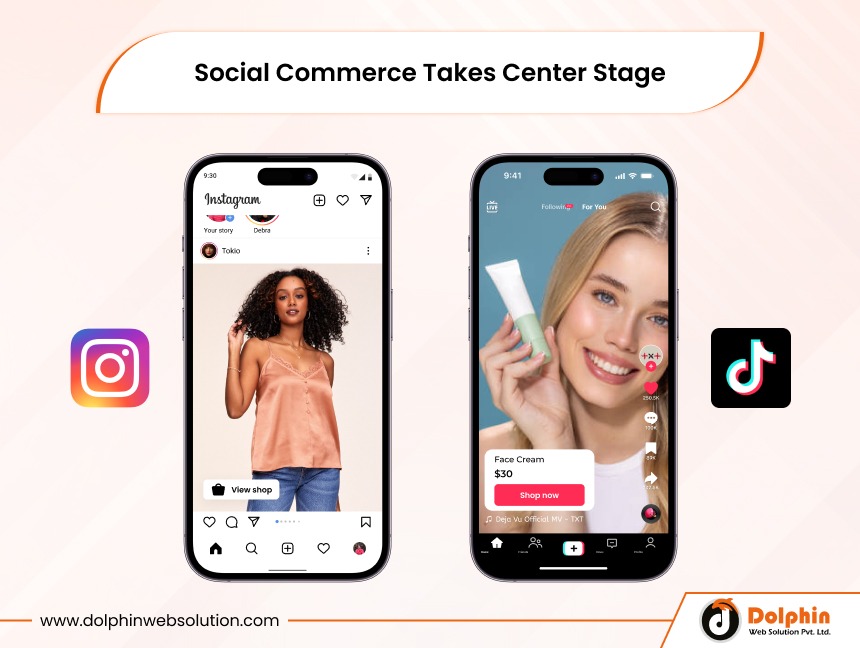
Social media platforms like Instagram, Facebook, and TikTok are becoming powerful online shopping destinations. In 2025, more customers will buy directly through social media, thanks to features like shoppable posts, live shopping events, and influencer partnerships. Brands that engage customers on these platforms will see higher engagement and conversion rates.
Tip: Set up your shop on popular social platforms and collaborate with influencers to reach new audiences.
3. Mobile-First Shopping
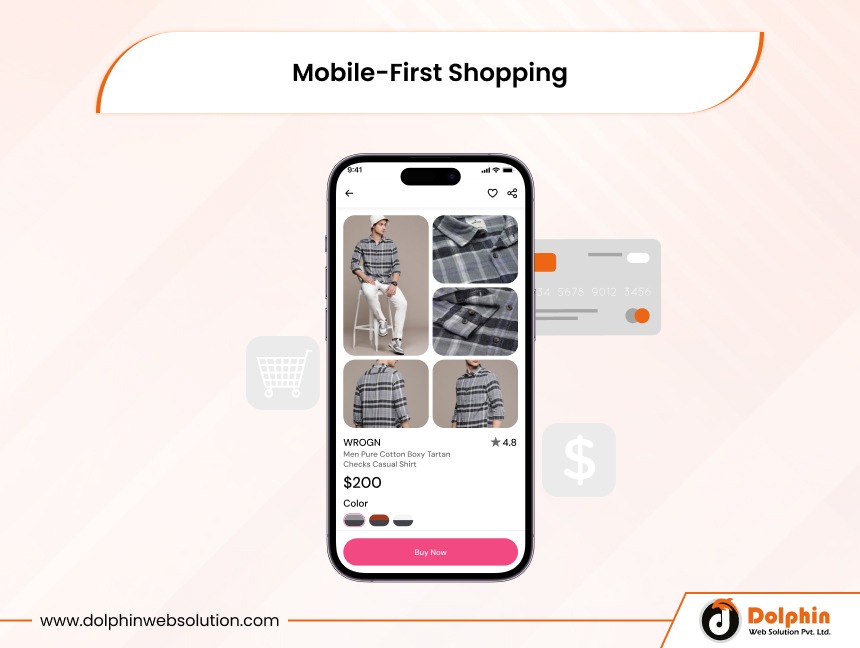
With smartphones in every pocket, mobile shopping continues to surge. In 2026, eCommerce websites must be designed with a mobile-first approach—meaning they load fast, look great, and are easy to use on any device. Mobile payments, one-click checkouts, and app-based shopping will dominate the landscap.
Tip: Test your website on different devices and optimize for speed and simplicity.
4. Augmented Reality (AR) and Virtual Reality (VR)
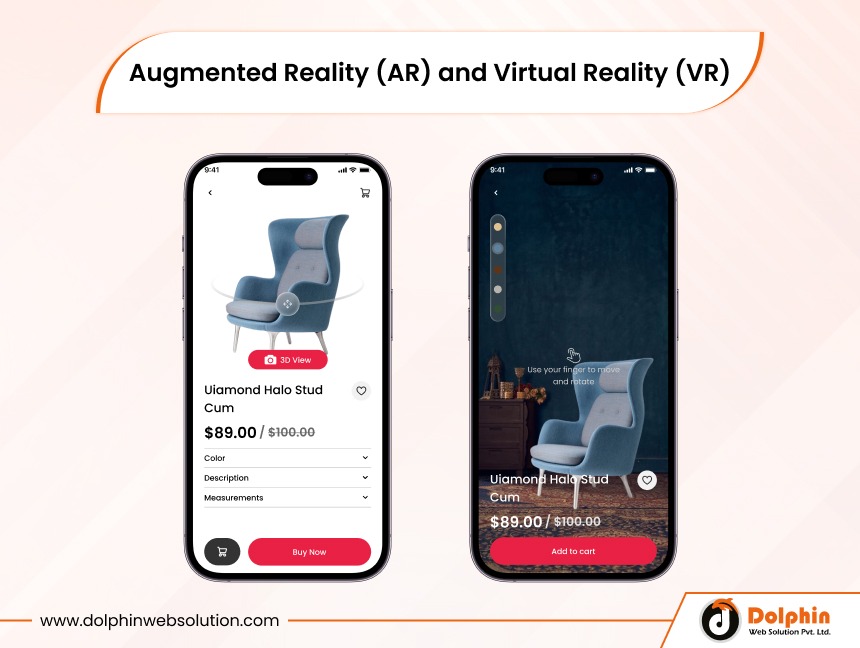
AR and VR technologies are making online shopping more interactive and fun. Customers can “try on” clothes, see how furniture fits in their room, or view products in 3D before buying. These immersive experiences help shoppers feel more confident in their purchases and reduce returns.
Tip: Explore AR plugins or 3D product viewers to give customers a closer look at your products.
5. Voice Commerce and Conversational Shopping
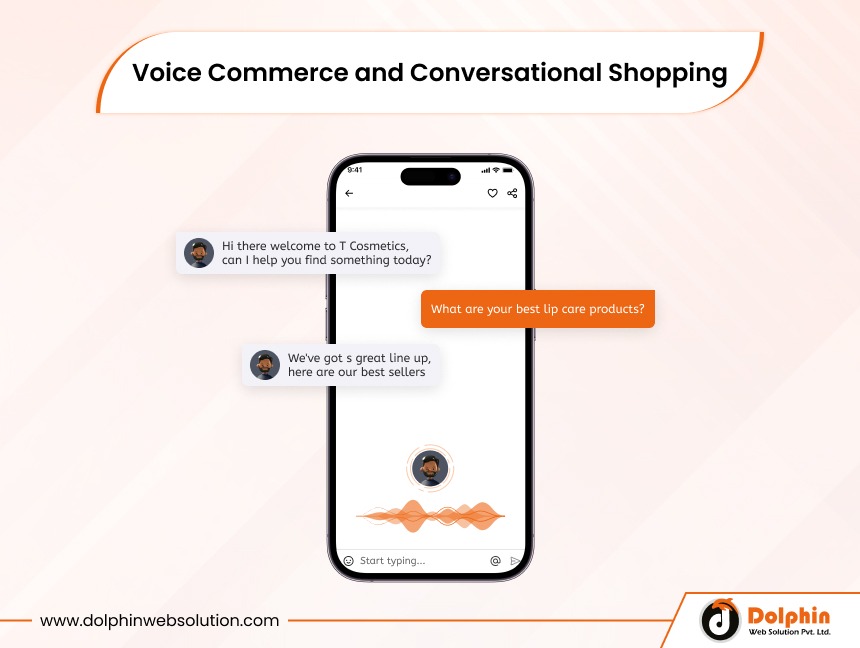
Voice assistants like Alexa, Siri, and Google Assistant are changing how people shop online. In 2026, more customers will use voice commands to search for products, place orders, and get support. Conversational shopping—using chatbots and live chat—will also become standard, making it easier for customers to get instant answers and support.
Tip: Optimize your website for voice search and consider adding a chatbot for quick customer service.
6. Sustainability and Eco-Friendly Practices
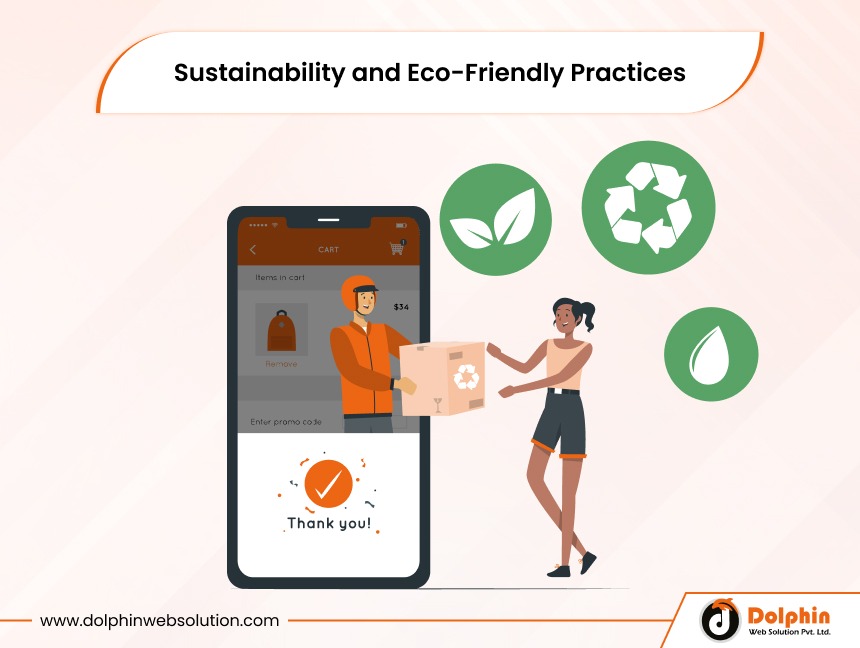
Shoppers are more environmentally conscious than ever. They want to buy from brands that use sustainable packaging, offer eco-friendly products, and operate ethically. In 2026, sustainability will be a key factor in building customer loyalty and trust.
Tip: Highlight your green initiatives on your website and use recyclable packaging whenever possible.
7. Fast, Flexible, and Transparent Delivery
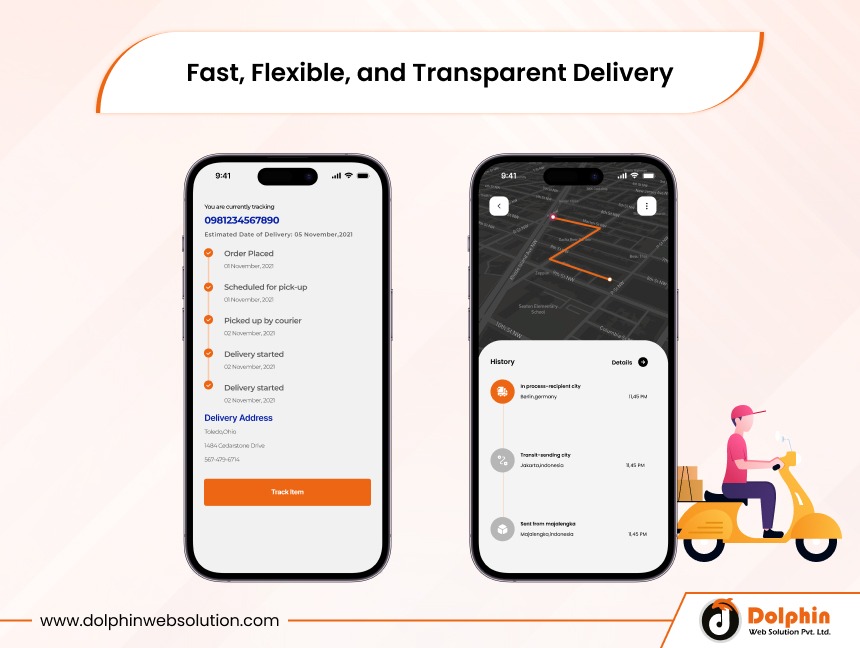
Delivery speed and flexibility can make or break a sale. In 2026, customers expect fast shipping, multiple delivery options, and real-time tracking. Clear communication about shipping times and costs is essential to reduce cart abandonment and keep customers happy.
Tip: Offer various delivery choices and keep customers updated about their orders.
8. Multiple Payment Options
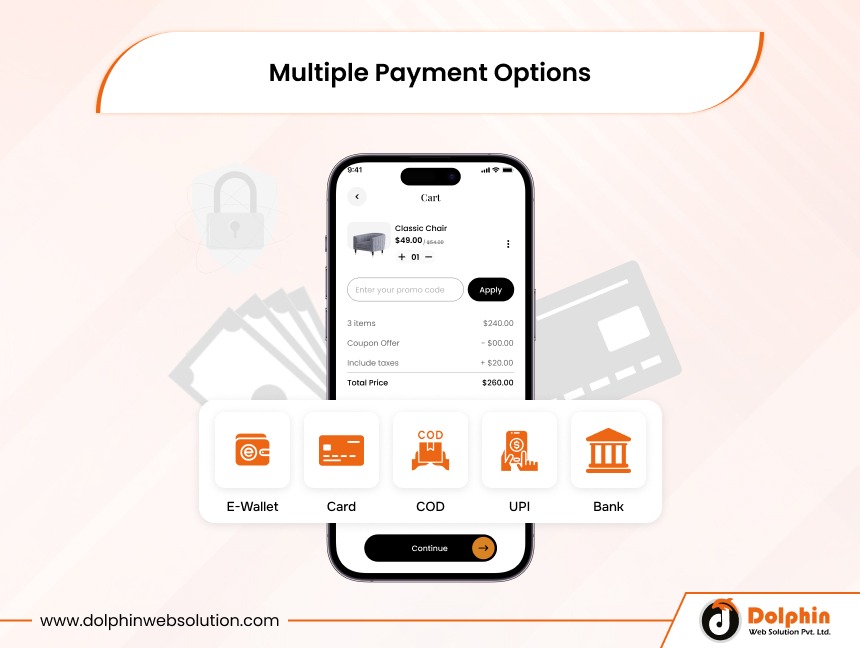
Today’s shoppers want convenience and flexibility when paying online. In 2026, successful eCommerce sites will offer a range of payment methods, including digital wallets, Buy Now Pay Later (BNPL), cryptocurrencies, and traditional cards. The easier you make it to pay, the more likely customers are to complete their purchase.
Tip: Integrate popular payment gateways and keep an eye on emerging payment trends.
9. Headless and Composable Commerce
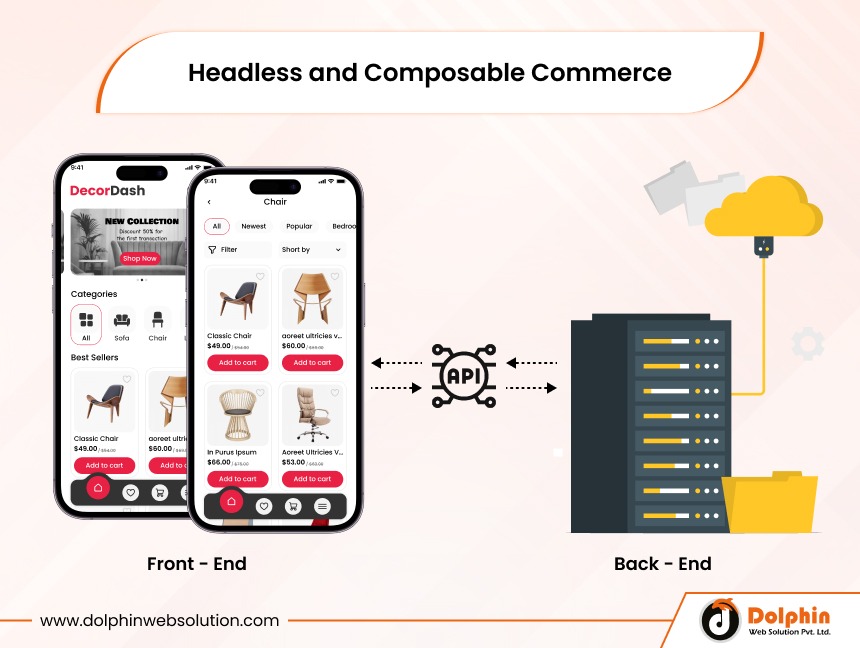
Headless commerce separates the front end (what customers see) from the back end (where data and operations happen). This approach allows businesses to quickly add new features, connect with other platforms, and deliver a seamless experience across devices. In 2026, more brands will use headless or composable systems to stay agile and competitive.
Tip: If you plan to scale or customize your store, consider a headless commerce solution for greater flexibility.
10. Subscription and Loyalty Programs
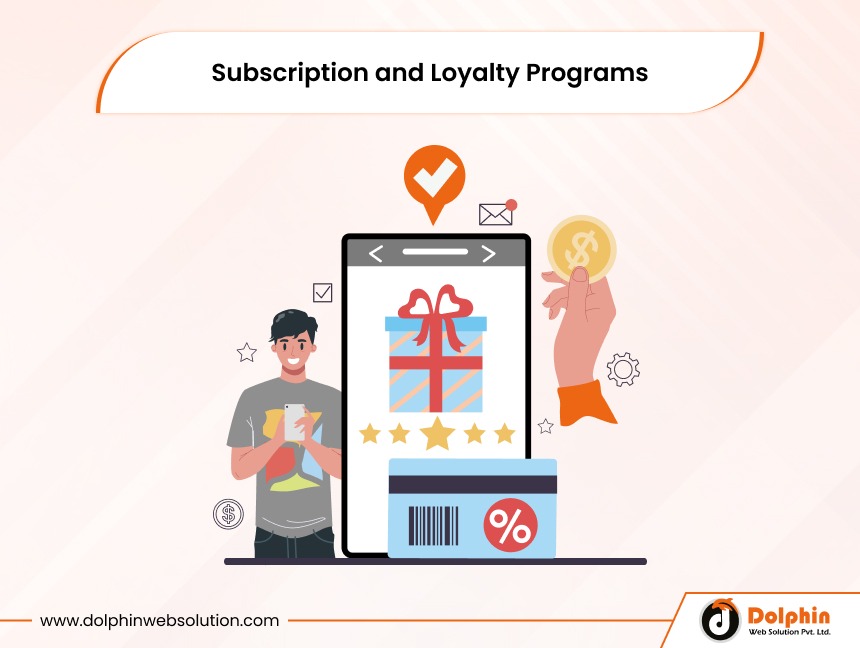
Subscription models and loyalty programs are booming. Customers love the convenience of regular deliveries and the perks of being a loyal member. In 2026, expect to see more personalized subscription boxes, flexible plans, and rewards that keep customers coming back.
Tip: Launch a subscription service or a points-based loyalty program to increase repeat business.
Conclusion
eCommerce in 2026 is all about personalization, convenience, and trust. By embracing these top 10 trends, your online store can offer a better experience, attract more customers, and grow your business in a competitive market. Remember, the future belongs to those who adapt quickly and put the customer first.
If you want to stay ahead of the curve and make your online store future-ready, Dolphin Web Solution can help. Our expert team specializes in building modern, high-performing eCommerce websites that leverage the latest trends and technologies. Whether you need AI-driven personalization, AR integration, or a mobile-first design, we’ve got you covered. Contact Dolphin Web Solution today and let’s take your eCommerce business to the next level!

Frequently Asked Questions (FAQs)
Why is personalization so important for eCommerce in 2025?
Personalization helps create a unique shopping experience for each customer, increasing satisfaction and encouraging repeat purchases. With AI, businesses can recommend products and offers tailored to individual preferences.
How can small businesses benefit from social commerce?
Social commerce allows small businesses to reach new audiences, engage directly with customers, and sell products without needing a separate website. It’s a cost-effective way to grow your brand.
What is headless commerce, and do I need it for my store?
Headless commerce separates your website’s design from its backend. This makes it easier to update features, connect with other platforms, and deliver a seamless experience across devices. It’s especially useful for growing or complex stores.
Are AR and VR technologies expensive to implement?
The cost of AR and VR has decreased, and many platforms now offer affordable plugins or services. Even basic 3D product viewers can enhance the customer experience without a huge investment.
How can I make my eCommerce business more sustainable?
Start by using eco-friendly packaging, sourcing ethical products, and being transparent about your practices. Highlight your sustainability efforts on your website to build trust with customers.
Nimesh Patel


Nimesh Patel is the Managing Director of Dolphin Web Solution, a global eCommerce, AI, and software development company helping businesses accelerate digital growth. With over 15 years of experience in technology consulting and product development, he has successfully guided startups, SMBs, and enterprise organizations in building scalable digital solutions. Nimesh specializes in eCommerce development, custom software solutions, mobile application development, and digital transformation strategies. Throughout his career, he has worked closely with businesses across retail, healthcare, automotive, manufacturing, and technology sectors, helping them leverage modern technologies to improve operational efficiency and customer experiences. As a business leader, Nimesh is passionate about innovation, entrepreneurship, and helping organizations turn ideas into successful digital products. His insights focus on eCommerce growth, AI adoption, software development trends, and business transformation through technology.

We can help you with
- Dedicated Team
- Setup Extended Team
- Product Development
- Custom App Development
Our Offices

AHMEDABAD (INDIA)
B- 203-206, Empire Business Hub, Science City Road, Sola, Ahmedabad – 380060

BERLIN (GERMANY)
Badensche Str. 28, 10715 Berlin, Germany

CALIFORNIA (USA)
9601 Reseda Blvd, Apt#223, Northridge CA-91324, USA

ALBERTA (CANADA)
302 Skyview Ranch Drive NE, Calgary, Alberta, Canada T3N0P5





Hello!
Click one of our contacts below to chat on WhatsApp