
-
Dolphin Web SolutionMobile AppSwift vs Flutter vs React Native: Which is the Best Choice for Mobile App Development?
 15 Min Read
Swift vs Flutter vs React Native: Which is the Best Choice for Mobile App Development?


Table of Contents
 Show
Show

Summary :
Swift, Flutter, and React Native are three leading mobile app development technologies, each offering unique strengths. This comprehensive guide compares their features, performance, cost efficiency, and ideal use cases to help businesses and developers choose the most suitable framework for their next app project and achieve maximum return on investment.
Mobile app development has transformed dramatically over the past decade. What once required separate teams building native apps for iOS and Android can now be accomplished with cross platform frameworks that work across multiple operating systems. This evolution has given businesses more options than ever before, but it has also made the decision making process more complex.
Choosing the right technology stack is crucial for your app’s success. The framework you select directly impacts development speed, app performance, user experience, maintenance costs, and long term scalability. A poor choice can lead to technical debt, limited functionality, or expensive rewrites down the line.
This blog provides an in depth comparison of three dominant technologies in mobile app development: Swift for native iOS development, Flutter for cross platform development with expressive UI, and React Native for JavaScript based cross platform solutions. By understanding their strengths and limitations, you can make an informed decision that aligns with your business goals and technical requirements.
Overview of Each Technology
1. What is Swift?
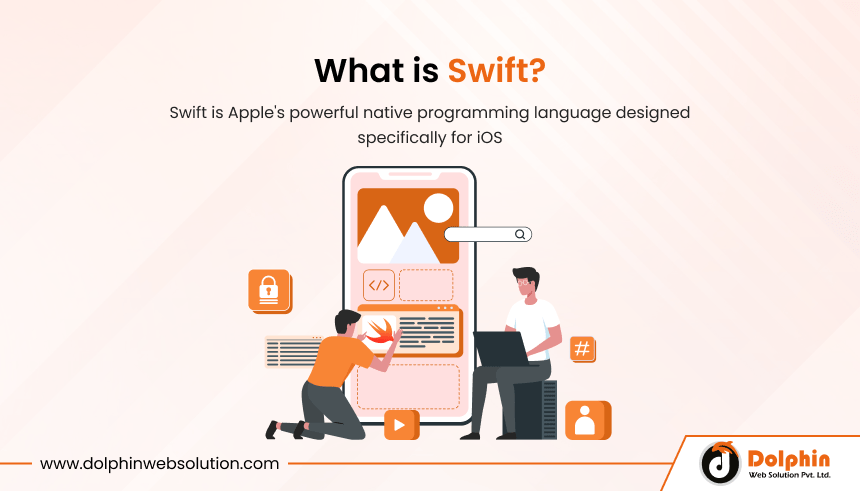
Swift is Apple’s powerful native programming language designed specifically for iOS, macOS, watchOS, and tvOS app development. Launched in 2014, Swift replaced Objective-C as the primary language for Apple ecosystem development. It offers seamless integration with iOS features, superior performance, and robust security measures. Swift provides direct access to all native APIs and hardware capabilities, making it the go to choice for apps requiring deep integration with Apple services. The language emphasizes safety, speed, and modern syntax that reduces common programming errors.
2. What is Flutter?
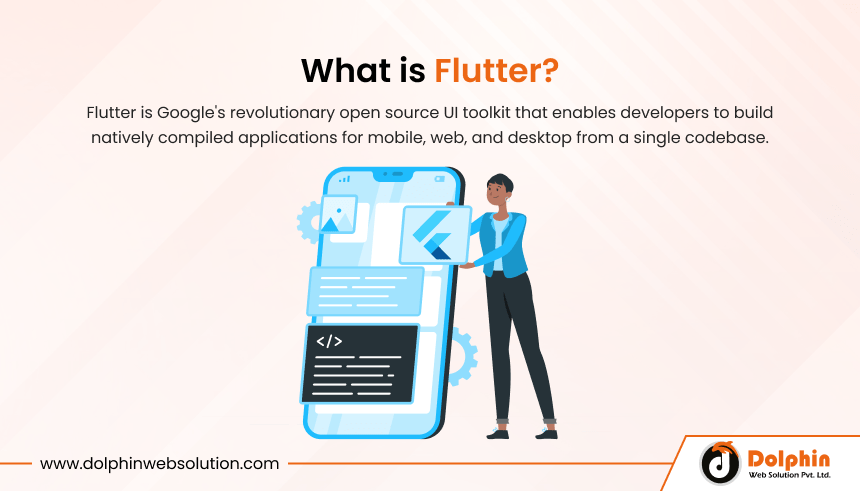
Flutter is Google’s revolutionary open source UI toolkit that enables developers to build natively compiled applications for mobile, web, and desktop from a single codebase. Released in 2017, Flutter uses the Dart programming language and features a rich set of customizable widgets. Its hot reload functionality allows developers to see changes instantly without restarting the app. Flutter compiles directly to native ARM code, ensuring high performance comparable to native apps. The framework excels at creating visually stunning, highly customized user interfaces with smooth animations and consistent behavior across platforms.
3. What is React Native?
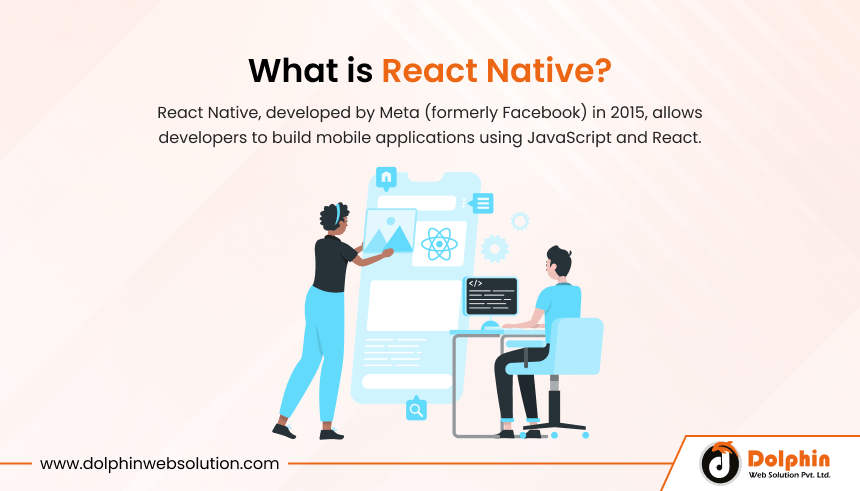
React Native, developed by Meta (formerly Facebook) in 2015, allows developers to build mobile applications using JavaScript and React. This cross platform framework enables code sharing between iOS and Android, significantly reducing development time and costs. React Native uses native components rather than web views, providing near native performance. Its massive community, extensive third party libraries, and JavaScript foundation make it accessible to web developers transitioning to mobile development. The framework supports hot reloading and offers flexibility in customizing native modules when needed.
Swift vs Flutter vs React Native: Comprehensive Comparison
1. Performance and Speed
Swift: Delivers the highest performance as it compiles directly to native machine code. There is no bridge or interpretation layer, resulting in faster execution, smoother animations, and better memory management. Ideal for computationally intensive apps like games or augmented reality applications.
Flutter: Offers excellent performance close to native apps. The Dart code compiles to native ARM code without requiring a JavaScript bridge. The framework’s rendering engine draws UI components directly, ensuring smooth 60 fps animations. Performance remains consistent across Android and iOS platforms.
React Native: Provides good performance for most applications but relies on a JavaScript bridge to communicate with native modules. This bridge can create performance bottlenecks in graphics heavy or computationally demanding apps. However, recent architectural improvements have significantly enhanced performance capabilities.
2. Development Time
Swift: Requires building separate apps for iOS and Android (using Kotlin or Java for Android), effectively doubling development time. However, iOS development alone is faster due to mature tools and extensive documentation.
Flutter: Dramatically reduces development time with its single codebase approach. Hot reload enables instant visual feedback, speeding up the UI development process. Businesses can launch on both platforms simultaneously, cutting time to market by up to 50 percent.
React Native: Offers substantial time savings through code reusability between platforms. Developers can share 70 to 90 percent of code between iOS and Android. The large ecosystem of ready made components accelerates development further.
3. UI and Design Capabilities
Swift: Provides complete access to native UI components and design guidelines. Apps built with Swift perfectly match iOS design standards and user expectations. However, creating custom UI elements requires more effort and code.
Flutter: Excels in UI customization with its extensive widget library. Every pixel is controllable, enabling unique brand experiences. The framework includes Material Design and Cupertino widgets out of the box. Complex animations and custom designs are easier to implement.
React Native: Uses native components that automatically adapt to platform design guidelines. While this ensures familiar user experiences, creating highly customized UIs can be challenging. Third party libraries help bridge this gap but may introduce inconsistencies.
4. Community Support
Swift: Backed by Apple with comprehensive official documentation and resources. The community is strong but smaller compared to JavaScript based frameworks. Finding Swift developers is easier than before, though talent pools are more limited.
Flutter: Growing rapidly with strong support from Google. The community is enthusiastic and expanding quickly. Abundant learning resources, packages, and plugins are available. However, being newer means fewer experienced Flutter developers in the market.
React Native: Boasts the largest community among the three, thanks to JavaScript’s popularity. Extensive third party libraries, tutorials, and solutions exist for almost every challenge. The vast talent pool makes hiring React Native developers relatively easy and cost effective.
5. Learning Curve
Swift: Requires learning a new language specific to Apple platforms. Developers need familiarity with Xcode and iOS development patterns. The learning curve is moderate for experienced programmers but steeper for beginners.
Flutter:Requires learning Dart, which is less common than JavaScript. However, Dart is straightforward and similar to other object oriented languages. The widget based approach is intuitive once understood. Overall, the learning curve is moderate.
React Native: Easiest entry point for web developers already familiar with JavaScript and React. The transition from web to mobile is smooth. However, understanding native modules and platform specific nuances requires additional learning.
6. Cost of Development
Swift: Higher costs due to the need for separate iOS and Android teams. However, investing in native iOS development pays off with superior app quality and performance. Long term maintenance costs are lower due to stability.
Flutter: Most cost effective for businesses targeting both platforms. Single codebase means one team can handle both iOS and Android development. Reduced development time translates directly to lower costs, making it ideal for startups and MVPs.
React Native: Offers significant cost savings through code reusability. The abundant developer talent keeps hiring costs competitive. Maintenance costs are reasonable, though platform specific issues may require native expertise occasionally.
7. Platform Compatibility
Swift: Exclusively for Apple platforms including iOS, iPadOS, macOS, watchOS, and tvOS. No Android support, requiring separate development for non Apple platforms.
Flutter: Truly cross platform supporting iOS, Android, web, Windows, macOS, and Linux from a single codebase. Consistent behavior across all platforms with minimal platform specific code.
React Native: Primarily supports iOS and Android with the same codebase. Web support exists through React Native Web, though it requires additional configuration. Desktop support is available but less mature.
When to Choose Swift
Swift is the optimal choice when building apps exclusively for the Apple ecosystem. If your target audience primarily uses iPhones, iPads, or other Apple devices, Swift ensures the best possible user experience. Apps requiring deep integration with iOS specific features like ARKit, Core ML, HealthKit, or Apple Pay benefit immensely from Swift’s native capabilities.
Choose Swift when performance is absolutely critical. High end gaming apps, augmented reality experiences, video editing tools, and other resource intensive applications perform best when built natively. Swift’s direct hardware access and optimized compilation deliver unmatched speed and responsiveness.
Security focused applications such as banking apps, financial management tools, healthcare applications, and enterprise solutions benefit from Swift’s strong typing, memory safety features, and Apple’s robust security framework. When handling sensitive user data, Swift’s native security measures provide additional peace of mind.
Swift is ideal when you want your app to feel completely at home on iOS devices. It automatically adapts to new iOS features and design updates, ensuring your app always feels current and integrated with the Apple experience.
When to Choose Flutter
Flutter App Development Services are perfect for startups and businesses operating on tight budgets who need to reach users on both Android and iOS platforms simultaneously. The single codebase dramatically reduces development costs while maintaining high quality across both platforms. For minimum viable products (MVPs), Flutter enables rapid prototyping and iteration without platform-specific complications.
Choose Flutter when your app’s visual identity is crucial to your brand. If you need pixel perfect custom designs, unique animations, or interfaces that stand out from standard platform conventions, Flutter’s flexible widget system makes complex UI implementations straightforward. Apps in creative industries, ecommerce platforms with distinctive branding, or lifestyle apps benefit from Flutter’s design freedom.
Flutter excels for projects with aggressive timelines. The hot reload feature accelerates development cycles, allowing designers and developers to experiment rapidly. Businesses needing to launch quickly across multiple platforms find Flutter’s development speed invaluable.
Cross platform consistency is another strength. If your app needs to look and behave identically on Android and iOS, Flutter ensures predictable results. This consistency simplifies quality assurance testing and reduces platform specific bugs.
When to Choose React Native
React Native is the best choice when you have an existing web application and want to expand to mobile platforms. Teams already familiar with React can leverage their existing knowledge and potentially share code between web and mobile versions. This reduces the learning curve and accelerates mobile development.
Choose React Native development when rapid deployment and frequent updates are priorities. The framework’s hot reloading and over the air update capabilities allow pushing changes without going through app store review processes for minor updates. Social media apps, content platforms, and services requiring frequent feature rollouts benefit from this flexibility.
React Native suits projects where JavaScript expertise is readily available. The enormous JavaScript developer talent pool means finding qualified developers is easier and often more affordable. For companies already using JavaScript across their tech stack, React Native provides seamless integration.
Apps requiring extensive third party integrations benefit from React Native’s vast ecosystem. Countless libraries exist for analytics, payments, social media integration, and other common functionalities. The active community ensures solutions exist for most development challenges.
Real World Applications
Consider a financial institution launching a mobile banking app. They would likely choose Swift for iOS to ensure maximum security, performance, and seamless integration with Apple Pay and Face ID. The native approach provides the reliability and trustworthiness that banking customers expect.
An ecommerce startup wanting to disrupt the market might select Flutter to build a visually stunning shopping experience. With limited budget and time, they can create a beautiful, consistent app for both Android and iOS users simultaneously. The custom UI helps differentiate their brand in a crowded marketplace.
A media company developing a social networking platform might opt for React Native. With web developers already on staff and a need for frequent content updates, React Native allows rapid iteration and code sharing between platforms. The massive React community provides solutions for integrating video streaming, real time messaging, and social features.
These examples illustrate how business needs, target audience, and technical requirements should drive technology selection rather than following trends or personal preferences.
Conclusion
Selecting between Swift, Flutter, and React Native ultimately depends on your specific project requirements, budget constraints, timeline expectations, and long term vision. Swift delivers unmatched performance and integration for iOS focused applications, making it ideal for enterprises and apps requiring native iOS capabilities. Flutter provides exceptional value for businesses needing cross platform solutions with beautiful custom interfaces and faster time to market. React Native offers flexibility and extensive community support for teams familiar with JavaScript and web technologies.
The best mobile app development company understands these nuances and recommends solutions aligned with your business goals rather than pushing a one size fits all approach. Whether you need Swift app development for a premium iOS experience, Flutter app development for efficient cross platform deployment, or React Native app development for rapid market entry, partnering with experienced developers ensures your app’s success.

Rohit Prajapati


Rohit Prajapati is the Chief Executive Officer of Dolphin Web Solution and a recognized expert in eCommerce technologies, digital commerce strategy, and product development. With over 15 years of experience in the technology industry, he helps businesses build high-performing online stores, scalable digital platforms, and innovative customer experiences. As a certified Adobe Commerce Business Practitioner (Magento Solution Specialist), Rohit possesses deep expertise in Shopify, Magento, Shopware, Hyvä, and enterprise eCommerce ecosystems. He has successfully consulted businesses worldwide on platform selection, digital transformation, migration strategies, and growth-focused commerce solutions. Rohit regularly shares insights on eCommerce trends, AI-driven commerce, online business growth, and emerging technologies. His mission is to help organizations create future-ready digital experiences that drive measurable business outcomes and long-term success.

We can help you with
- Dedicated Team
- Setup Extended Team
- Product Development
- Custom App Development
Our Offices

AHMEDABAD (INDIA)
B- 203-206, Empire Business Hub, Science City Road, Sola, Ahmedabad – 380060

BERLIN (GERMANY)
Badensche Str. 28, 10715 Berlin, Germany

CALIFORNIA (USA)
9601 Reseda Blvd, Apt#223, Northridge CA-91324, USA

ALBERTA (CANADA)
302 Skyview Ranch Drive NE, Calgary, Alberta, Canada T3N0P5





Hello!
Click one of our contacts below to chat on WhatsApp