
-
Dolphin Web SolutionMagento2Magento vs Laravel: Which Platform Builds a Better eCommerce Store?
 15 Min Read
Magento vs Laravel: Which Platform Builds a Better eCommerce Store?


Table of Contents
 Show
Show

Summary :
Choosing the right platform for ecommerce development is crucial for online store success. Magento and Laravel are two powerful contenders, with Magento being a specialized ecommerce platform and Laravel a flexible PHP framework. Both offer unique advantages for building robust online stores, but the choice depends on your specific business needs, budget, and technical requirements.
Introduction
The global ecommerce industry continues its explosive growth, with businesses increasingly recognizing the need for strong online presence to remain competitive. As consumers shift toward digital shopping experiences, selecting the right platform becomes critical for online store success. The foundation you choose will impact everything from user experience to scalability, security, and long-term business growth.
Two prominent solutions have emerged as leading choices for ecommerce development: Magento, a dedicated ecommerce platform, and Laravel, a versatile PHP framework. Each offers distinct approaches to building online stores, with different strengths that cater to varying business requirements. Understanding these differences is essential for making an informed decision that aligns with your business goals.
What is Magento?
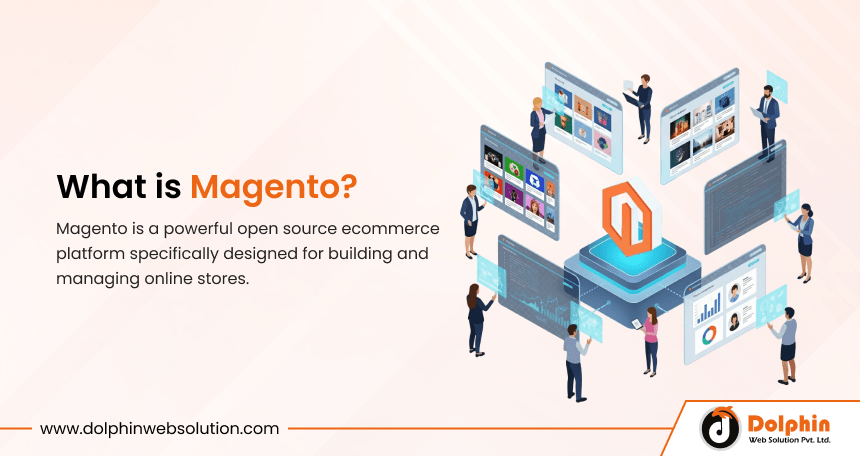
Magento is a powerful open-source ecommerce platform specifically designed for building and managing online stores. Launched in 2008, it has become one of the most trusted solutions for merchants worldwide, powering over 250,000 online stores globally. Businesses often choose Magento 2 Development Services to fully leverage the platform’s advanced features and customization options.
The platform offers comprehensive ecommerce functionality right out of the box, including product catalog management, inventory tracking, order processing, and payment integration. Magento’s modular architecture provides exceptional scalability, allowing businesses to grow from small startups to large enterprises without changing platforms.
Key features that make Magento stand out include:
- Scalability and Performance: Built with modular design, Magento handles high traffic volumes and supports performance optimization tools like full-page caching and indexing.
- SEO Friendly: The platform includes built-in SEO features, search-friendly URLs, and Google Analytics integration to improve search engine visibility.
- Extensive Extensions: Access to thousands of extensions through the official Magento Marketplace, covering payment gateways, shipping integrations, and marketing tools.
- Multi-Store Support: Manage multiple online stores from a single admin panel, each with different domains, languages, currencies, and product catalogs.
- Customization Capabilities: Open source nature allows unlimited customization to match specific business requirements without restrictive templates.
The platform provides both Magento Open Source (free version) and Magento Commerce (enterprise solution), offering flexibility for businesses of all sizes.
What is Laravel?
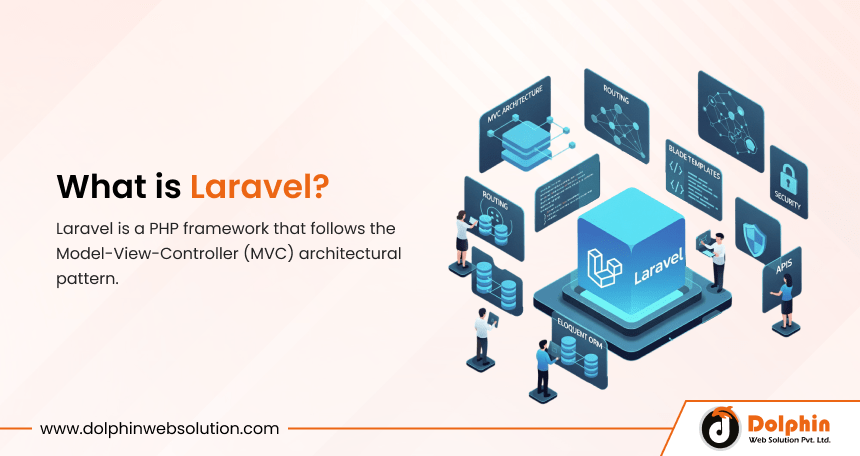
Laravel is a PHP framework that follows the Model-View-Controller (MVC) architectural pattern, created by Taylor Otwell in 2011. Many businesses opt for Laravel Development Services to build scalable and tailored web applications. While not specifically designed for ecommerce, Laravel provides a robust foundation for building custom ecommerce applications with exceptional flexibility and developer-friendly features.
The framework emphasizes elegant syntax and expressive code, making it easier for developers to write clean, maintainable applications. Laravel’s comprehensive ecosystem includes powerful tools like Eloquent ORM for database interactions, Blade templating engine, and Artisan CLI for task automation.
Laravel’s key strengths for ecommerce development include:
- Flexibility and Customization: Unlike rigid platforms, Laravel allows developers to build completely custom ecommerce solutions tailored to unique business requirements.
- Enhanced Security: Built-in security features include CSRF protection, XSS prevention, SQL injection protection through Eloquent ORM, and advanced encryption capabilities.
- MVC Architecture: Clean separation of concerns promotes better code organization, scalability, and maintainability for complex applications.
- Custom Ecommerce Development: Developers can create unique shopping experiences with custom workflows, specialized features, and integrated business logic.
- API-Ready Architecture: Seamlessly integrates with mobile apps, third-party tools, and external systems through comprehensive API support.
- Progressive Web App Support: Laravel applications can be built as mobile-responsive sites and PWA solutions for optimized mobile commerce experiences.
Laravel’s modular package system allows developers to add ecommerce functionality through packages like Laravel Cashier for payments, Laravel Nova for administration, and various marketplace solutions.
Magento vs Laravel: Key Comparisons
1. Ease of Use
Magento presents a steeper learning curve due to its complex architecture and ecommerce-specific concepts. Developers typically need 4 weeks to grasp basics and 6 months to a year to achieve mastery. The platform requires significant knowledge of its intricate structure and specialized terminology.
Laravel offers a developer-friendly approach with expressive syntax and extensive documentation. Its clear MVC structure and straightforward PHP-based coding make it more accessible for developers, especially those familiar with modern web frameworks.
2. Customization
Magento provides extensive customization for ecommerce through its modular system and marketplace extensions. However, significant customization often requires deep platform knowledge and can be complex to implement without proper expertise.
Laravel delivers unlimited flexibility for custom development. Developers can build completely tailored ecommerce solutions from scratch, implementing unique business logic and specialized features without platform constraints.
3. Scalability
Magento excels in enterprise-level scalability, designed specifically for large-scale ecommerce operations. It supports high product volumes, multi-store management, and can handle millions of products with proper optimization.
Laravel offers scalable custom solutions but requires more configuration for ecommerce-specific scaling needs. While highly scalable for web applications, achieving enterprise ecommerce scalability demands careful architecture planning.
4. Cost of Development
Magento typically involves higher development costs, especially for complex customizations and the Adobe Commerce version. Development ranges from ₹1,50,000 to ₹20,00,000 depending on requirements.
Laravel presents more budget-friendly options for custom development. Costs vary widely based on complexity, but the framework’s efficiency often results in lower overall development expenses.
5. Security
Magento provides robust ecommerce-specific security with built-in features like PCI compliance support, two-factor authentication, and regular security patches. However, security depends heavily on proper configuration and regular updates.
Laravel offers comprehensive security at the code level with built-in protections including CSRF tokens, XSS prevention, secure password hashing, and encryption capabilities. Security implementation is flexible but requires developer expertise.
6. Community and Support
Magento has an established ecommerce-focused community with extensive resources, forums, and specialized extensions. The community provides deep expertise specifically for online retail challenges.
Laravel boasts a diverse, rapidly growing community with a broad web development focus. While smaller than Magento’s, Laravel’s community offers excellent general web development support and resources.
When to Choose Magento for Ecommerce Development
Magento is the ideal choice for specific business scenarios that require robust ecommerce functionality:
- Mid to Large Ecommerce Stores: Businesses with extensive product catalogs (500+ items) benefit from Magento’s powerful catalog management and inventory systems.
- Multi-Vendor Marketplaces: The platform’s multi-store architecture supports complex marketplace operations with multiple vendors, separate storefronts, and centralized management.
- International Operations: Companies requiring multi-language, multi-currency, and multi-regional functionality leverage Magento’s built-in globalization features.
- B2B Enterprises: Advanced B2B features including custom pricing, bulk purchasing, approval workflows, and role-based permissions make Magento excellent for wholesale operations.
- Complex Product Requirements: Industries like electronics, pharmaceutical, and technology benefit from Magento’s ability to handle complex product attributes, configurations, and compliance requirements.
- High-Volume Transactions: Stores expecting significant traffic and transaction volumes rely on Magento’s proven scalability and performance optimization tools.
When to Choose Laravel for Ecommerce Development
Laravel excels in scenarios requiring maximum flexibility and custom functionality:
- Unique Ecommerce Concepts: Businesses with innovative ideas that don’t fit standard ecommerce patterns benefit from Laravel’s unlimited customization capabilities.
- Startup Flexibility: New businesses that need to iterate quickly and adapt their ecommerce model find Laravel’s agile development approach advantageous.
- Custom Workflows: Companies requiring specialized business processes, unique customer journeys, or industry-specific functionality leverage Laravel’s custom development strengths.
- Integration-Heavy Solutions: Businesses needing extensive third-party integrations, API connectivity, or connection with existing enterprise systems benefit from Laravel’s flexible architecture.
- Budget-Conscious Projects: Startups and small businesses with limited budgets can achieve professional ecommerce solutions more cost-effectively with Laravel.
- Full Control Requirements: Organizations that demand complete control over every aspect of their ecommerce platform, from database structure to user interface, prefer Laravel’s unrestricted development environment.
Which is Better for Your Store
The choice between Magento and Laravel depends on your specific business requirements, technical expertise, and growth objectives. Both platforms offer powerful capabilities but serve different needs in the ecommerce landscape.
Magento emerges as the more ready-to-use ecommerce solution, providing comprehensive out-of-the-box functionality specifically designed for online retail. Its specialized features, proven scalability, and ecommerce-focused architecture make it ideal for businesses that need reliable, feature-rich online stores without extensive custom development.
For established businesses, medium to large enterprises, or companies with straightforward ecommerce needs, Magento offers a faster time-to-market with proven functionality. The platform’s extensive ecosystem of extensions and ecommerce-specific optimizations provides significant advantages for traditional online retail operations.
Laravel offers superior flexibility for unique requirements but requires more development effort to achieve ecommerce functionality. It excels when businesses need custom solutions, unique user experiences, or specialized functionality that doesn’t fit standard ecommerce patterns.
Consider your technical resources, budget constraints, timeline requirements, and long-term scalability needs. Magento provides a structured, ecommerce-optimized foundation, while Laravel offers unlimited creative freedom for custom solutions.
The decision ultimately depends on whether you prioritize ready-made ecommerce features (Magento) or maximum customization flexibility (Laravel) for your online store development project.
Conclusion
Both Magento and Laravel represent powerful solutions for ecommerce development, each with distinct advantages that serve different business needs. Magento stands out as a comprehensive, ecommerce-specific platform with robust built-in functionality, proven scalability, and an extensive marketplace ecosystem. Its specialized architecture makes it ideal for traditional online retail operations, multi-store management, and businesses requiring advanced ecommerce features out of the box. Many businesses choose to Hire Magento Developers to fully leverage its capabilities and ensure a seamless, high-performing online store.
Laravel offers unmatched flexibility and customization capabilities, making it perfect for unique ecommerce concepts, custom workflows, and businesses requiring tailored solutions. Its clean architecture, security features, and developer-friendly environment enable the creation of highly specialized online stores that can adapt to specific business requirements. Companies often Hire Laravel Developers to build scalable, feature-rich applications designed specifically for their needs.
The choice between these platforms should align with your business objectives, technical resources, and growth strategy. Whether you choose Magento development services for ready-to-deploy ecommerce functionality or Laravel ecommerce development for maximum customization, partnering with an experienced ecommerce development company ensures successful implementation.
Professional custom ecommerce development services can help you leverage either platform’s strengths while avoiding common pitfalls and ensuring optimal performance for your online business. Our experts will analyze your business needs, budget, and growth objectives to recommend the perfect platform whether Magento or Laravel for your unique situation. We specialize in both Magento development services and Laravel ecommerce development, ensuring you receive unbiased guidance based on what’s truly best for your business.

Rohit Prajapati


Rohit Prajapati is the Chief Executive Officer of Dolphin Web Solution and a recognized expert in eCommerce technologies, digital commerce strategy, and product development. With over 15 years of experience in the technology industry, he helps businesses build high-performing online stores, scalable digital platforms, and innovative customer experiences. As a certified Adobe Commerce Business Practitioner (Magento Solution Specialist), Rohit possesses deep expertise in Shopify, Magento, Shopware, Hyvä, and enterprise eCommerce ecosystems. He has successfully consulted businesses worldwide on platform selection, digital transformation, migration strategies, and growth-focused commerce solutions. Rohit regularly shares insights on eCommerce trends, AI-driven commerce, online business growth, and emerging technologies. His mission is to help organizations create future-ready digital experiences that drive measurable business outcomes and long-term success.

We can help you with
- Dedicated Team
- Setup Extended Team
- Product Development
- Custom App Development
Our Offices

AHMEDABAD (INDIA)
B- 203-206, Empire Business Hub, Science City Road, Sola, Ahmedabad – 380060

BERLIN (GERMANY)
Badensche Str. 28, 10715 Berlin, Germany

CALIFORNIA (USA)
9601 Reseda Blvd, Apt#223, Northridge CA-91324, USA

ALBERTA (CANADA)
302 Skyview Ranch Drive NE, Calgary, Alberta, Canada T3N0P5





Hello!
Click one of our contacts below to chat on WhatsApp